
Physicians and scientists from 4 continents
Confirmed experts · 100% in-person
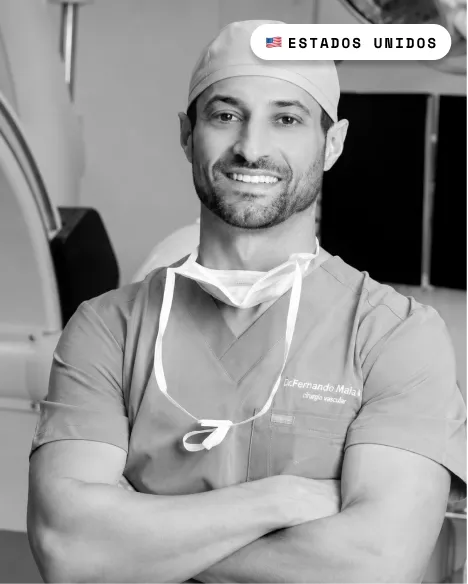
Adam Aboodely
Adam Abodeely is a double board-certified surgeon specializing in gastrointestinal diseases and cancer, founder and CEO of Adirondack Gastrointestinal & Colorectal Surgery LLC. Dr. Abodeely has been using cannabis-based therapies in patients with gastrointestinal diseases and cancer since 2010. In 2024, Adam was appointed to the New York State Medical Cannabis Advisory Council (MCAC) and as chair of the New York State Committee on Cannabis for Inflammatory Bowel Disease.
Dr. Abodeely is also CEO and co-founder of Coral Cove Wellness Resort, a holistic wellness resort in Jamaica, and the author of the book “A Surgeon’s Perspective on the Science & Truth of Cannabis”. He has published in several peer-reviewed surgical journals and developed educational platforms on the science and applications of cannabinoid derivatives.
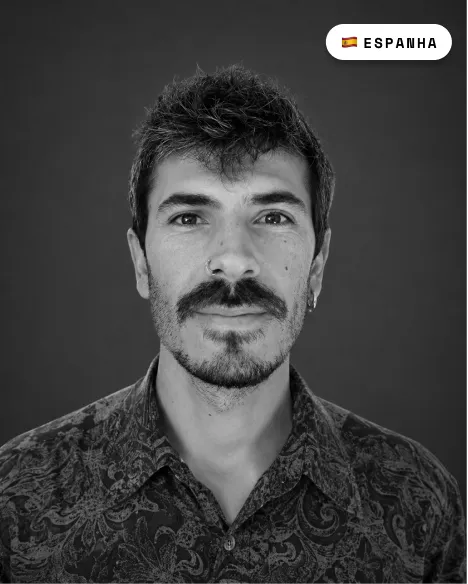
Adán de Salas Quiroga
Adán de Salas Quiroga is a biologist and a specialist in Neurobiology. He earned a master’s degree in Biochemistry, Molecular Biology and Biomedicine at the Complutense University of Madrid. In 2017, he received his doctorate from the same university, with a study on the role of the Endocannabinoid System during the development of the mammalian embryonic brain and the impact of prenatal exposure to this therapy. Adán worked as a postdoctoral researcher at renowned Spanish and international institutions, where he received additional training in electrophysiology and cancer.
He currently dedicates himself to providing high-quality education to healthcare professionals and companies about cannabis and the endocannabinoid system. Adán is co-author of the Endocannabinoid Medicine Treatise, together with Patrícia Montagner, and Scientific Coordinator of WeCann Academy.
Below is a selection of his main publications in the field:
de Salas-Quiroga, A., Díaz-Alonso, J., García-Rincón, D., Remmers, F., Vega, D., Gómez-Cañas, M., … & Galve-Roperh, I. (2015). Prenatal exposure to cannabinoids evokes long-lasting functional alterations by targeting CB1 receptors on developing cortical neurons. Proceedings of the National Academy of Sciences, 112(44), 13693-13698.
Díaz-Alonso, J., de Salas-Quiroga, A., Paraíso-Luna, J., García-Rincón, D., Garcez, P. P., Parsons, M., … & Galve-Roperh, I. (2017). Loss of cannabinoid CB1 receptors induces cortical migration malformations and increases seizure susceptibility. Cerebral Cortex, 27(11), 5303-5317.
de Salas-Quiroga, A., García-Rincón, D., Gómez-Domínguez, D., Valero, M., Simón-Sánchez, S., Paraíso-Luna, J., … & Galve-Roperh, I. (2020). Long-term hippocampal interneuronopathy drives sex-dimorphic spatial memory impairment induced by prenatal THC exposure. Neuropsychopharmacology, 45(5), 877-886.
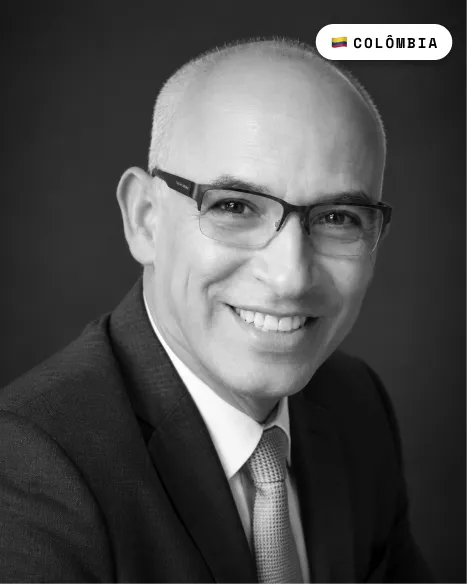
Alberto Ulloa
Alberto Ulloa is a psychiatrist trained at the Universidad Javeriana in Bogotá, Colombia. He is a professor in the graduate program on addiction at the Universidad Luis Amigó, in Medellín. He worked at Colombia’s Ministry of Health with the Mental Health group. Alberto is a psychiatrist at IPS Centro Cita de Salud Mental and in his private practice at the Medellín del Poblado clinic. He began his studies on Medical Cannabis in 2019 and currently follows patients with a range of psychiatric disorders using this therapeutic tool.
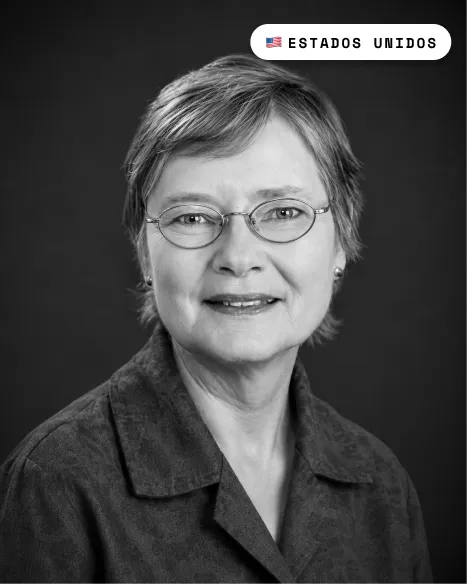
Allyn Howlett
Allyn Howlett holds a PhD in Biochemistry from Rutgers University, with postdoctoral training at the University of Virginia. She is currently a professor of Translational Neuroscience at Wake Forest University School of Medicine, in the United States, where she leads the Howlett Lab.
A global pioneer in the study of the endocannabinoid system, Dr. Howlett is internationally recognized for the discovery of the CB1 receptor for cannabinoid agonists — a founding milestone of Endocannabinoid Medicine. She was responsible for developing the radioligand assay that enabled the identification of cannabinoid receptors and for creating antibodies now made available to researchers worldwide. Her research on G-protein activation mediated by selective ligands has received editorial highlights in international scientific journals.
Her current research focuses on the protein interactions that modulate the CB1 receptor through allosteric mechanisms, with emphasis on G-protein isoforms, β-arrestins and CRIP1a (Cannabinoid Receptor Interacting Protein 1a). The Howlett Lab’s findings have been expanding the understanding of cannabinoid receptor regulation and contribute directly to the development of new cannabinoid medicines.
Dr. Howlett is a member of the College on Problems of Drug Dependence, the Society for Neuroscience, the American Society for Pharmacology and Experimental Therapeutics, and the International Cannabinoid Research Society.
Below is a selection of her main publications in the field:
Devane, W. A., Dysarz, F. A. 3rd, Johnson, M. R., Melvin, L. S., & Howlett, A. C. (1988). Determination and characterization of a cannabinoid receptor in rat brain. Molecular Pharmacology, 34(5), 605–613.
Howlett, A. C., & Fleming, R. M. (1984). Cannabinoid inhibition of adenylate cyclase. Pharmacology of the response in neuroblastoma cell membranes. Molecular Pharmacology, 26(3), 532–538.
Howlett, A. C. (1995). Pharmacology of cannabinoid receptors. Annual Review of Pharmacology and Toxicology, 35, 607–634.
Howlett, A. C., Barth, F., Bonner, T. I., Cabral, G., Casellas, P., Devane, W. A., Felder, C. C., Herkenham, M., Mackie, K., Martin, B. R., Mechoulam, R., & Pertwee, R. G. (2002). International Union of Pharmacology. XXVII. Classification of cannabinoid receptors. Pharmacological Reviews, 54(2), 161–202.
Howlett, A. C., Blume, L. C., & Dalton, G. D. (2010). CB1 cannabinoid receptors and their associated proteins. Current Medicinal Chemistry, 17(14), 1382–1393.
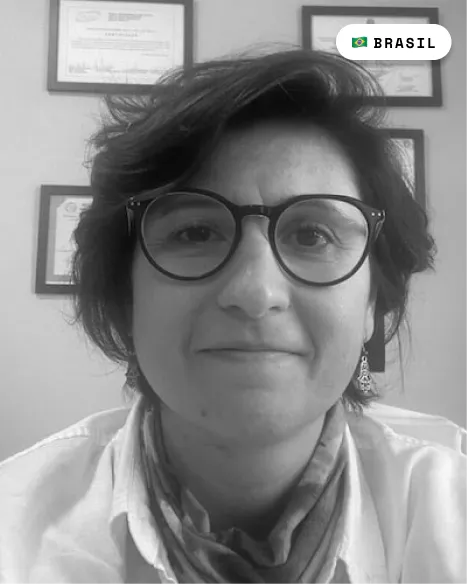
Bárbara Barreiros
Bárbara Barreiros is a Family and Community Medicine physician trained at GHC-RS, holds a Master’s in Assessment and Production of Health Technologies for the SUS from Escola GHC – Grupo Hospitalar Conceição, is a Specialist in Medical Residency Preceptorship from Hospital Sírio-Libanês, and holds the International Certification in Endocannabinoid Medicine from WeCann Academy. She has worked in the SUS (Brazil’s public health system) since 2007 in management, care and teaching, and coordinates the Family and Community Medicine Residency of São Bernardo do Campo. In 2020 she launched the IAPS project (Institute of Primary Health Care) focused on person-centered comprehensive care, introducing medical cannabis as a therapeutic tool in 2021.
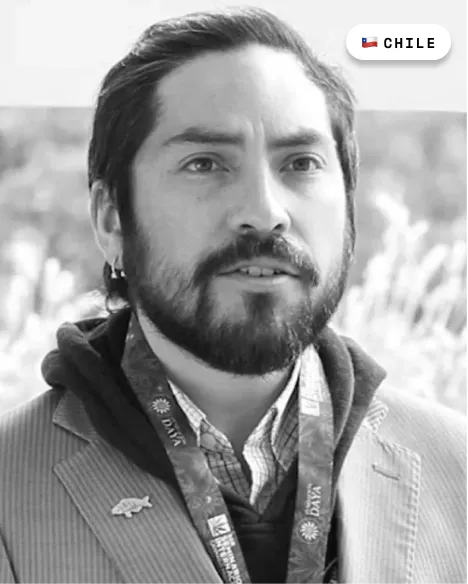
Diego Cruz
Diego Cruz is a surgeon trained at the University of Santiago, Chile, with a master’s degree in Mountain Medicine from the University of Insubria, Italy. For 6 years he has provided medical care at Fundação Daya, one of the most important Medical Cannabis patient associations in Latin America. He studies the use of phytocannabinoids in palliative care, chronic pain and Autism Spectrum Disorder.
Diego has extensive experience in national and international congresses and university courses related to the medicinal use of cannabis.
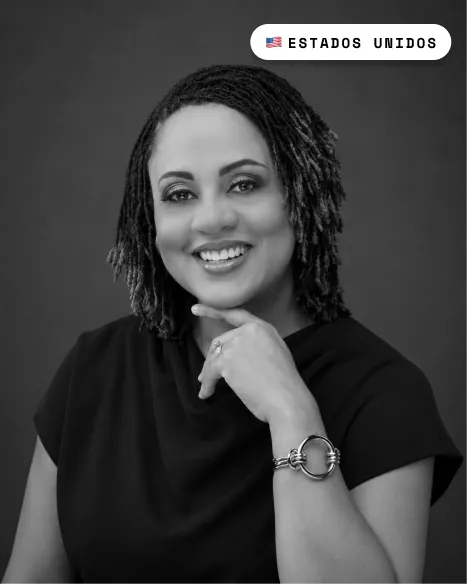
Deondra Asike
Deondra Asike, MD, is double board-certified in anesthesiology and pain medicine. Since 2015, she has served as a Clinical Associate in the Department of Anesthesiology and Critical Care Medicine at Johns Hopkins. She is a United States Air Force veteran and was deployed to Bagram Air Base, in Afghanistan, in 2013.
Dr. Asike is currently serving her second term on the Advisory Board of the Maryland Department of Health’s Prescription Drug Monitoring Program. She also chairs the Maryland Cannabis Public Health Advisory Council and the Cannabis Committee of the Maryland State Medical Society (MedChi).
She is a subject-matter expert and the Maryland spokesperson for Doctors for Drug Policy Reform, the first national medical organization dedicated to the legalization, taxation and effective regulation of cannabis for adults. Dr. Asike strongly believes in a holistic approach to chronic pain management, including proper nutrition, physical therapy, behavioral therapy and cannabis as medicine. She is also a certifying provider for the Maryland Cannabis Administration.
In 2022, she founded National Pain ReLEAF, a consulting practice focused primarily on guiding patients and their healthcare team members in safely and effectively incorporating cannabis into comprehensive pain treatment.
In her free time, Dr. Asike enjoys taking cooking classes and recreational activities with her two young sons, Ethan and Gabriel.
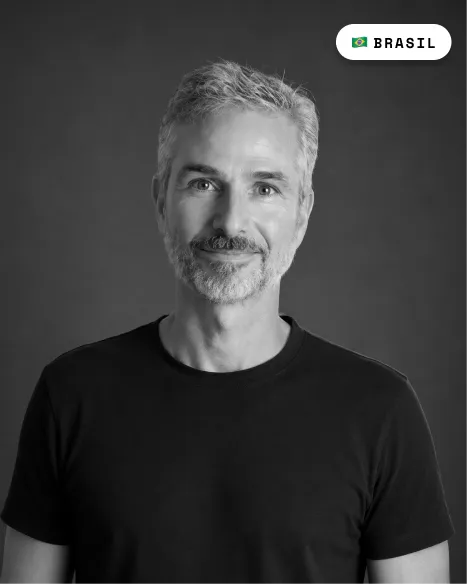
Dráulio Araújo
Dráulio Barros de Araújo is a Full Professor at the Brain Institute of the Federal University of Rio Grande do Norte (UFRN) and one of the world’s leading references in the neuroscience of psychedelics. He holds a bachelor’s and a master’s degree in Physics — from the University of Brasília (1995) and the Federal University of Ceará (1997), respectively — and a PhD in Medical Physics from the University of Wisconsin, USA (2000), followed by a second PhD in Physics Applied to Medicine and Biology from the University of São Paulo (2002), where he also earned his habilitation (livre-docência, 2009) and worked as a professor until joining UFRN. He completed postdoctoral fellowships at USP and the University of California, Santa Barbara. Since 2006, his research has focused on the use of functional neuroimaging — functional magnetic resonance imaging (fMRI) and electroencephalography (EEG) — to investigate the neural bases of altered states of consciousness induced by psychedelic substances, with emphasis on ayahuasca and its antidepressant potential. He led the first randomized, placebo-controlled clinical trial to demonstrate rapid antidepressant effects of ayahuasca in treatment-resistant depression, published in Psychological Medicine (2019) — a milestone in the history of psychedelic psychiatry. With more than 8,000 citations in his academic record, he has been director of UFRN’s Center for Advanced Psychedelic Medicine (CAMP) since 2024 and took part in the Netflix miniseries A Indústria da Cura, bringing the science of psychedelics to the general public. In 2008, he won first place in the poster category at the 26th Brazilian Congress of Psychiatry, awarded by the Brazilian Psychiatric Association.
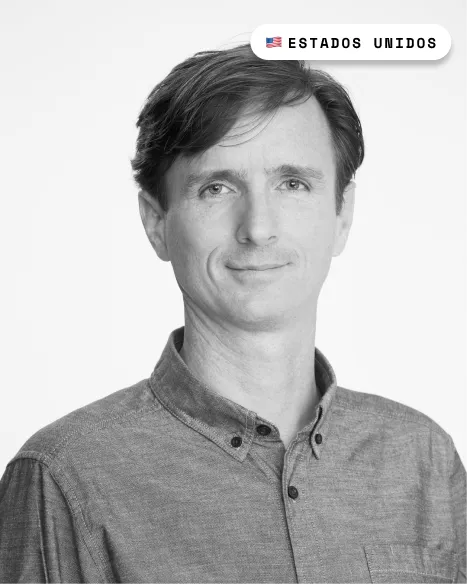
Harry McIlroy
Harry McIlroy is a physician with postgraduate training from the Institute of Functional Medicine, USA. Harry has leading-edge training in Functional Medicine from the USA and extensive training in Osteopathy, yoga and meditation. His training in Traditional Chinese Herbal Medicine introduced him to cannabinoid therapy more than 20 years ago.
Dr. Harry draws on his knowledge of Functional Medicine and his experience with medicinal plants to guide his patients toward more effective ways of stimulating each body’s capacity for self-healing.
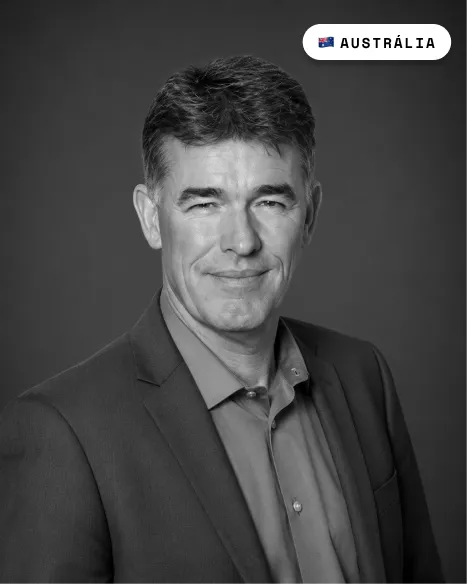
Iain McGregor
Iain McGregor is Professor of Psychopharmacology and Academic Director of the Lambert Initiative for Cannabinoid Therapeutics at the University of Sydney, Australia, and an NHMRC Principal Research Fellow. Trained in Experimental Psychology at the University of Oxford, he earned his PhD in Psychopharmacology at the University of Sydney, where he built his scientific career. With more than 200 publications and an h-index of 57, he is one of the most cited researchers in the field of medical cannabis in the world. In 2015, he led the creation of the Lambert Initiative — the largest therapeutic cannabinoid research institute in the southern hemisphere, funded with AUD 33.7 million by the Lambert family — focused on human clinical trials, preclinical models and the development of new cannabinoid drugs. Among his most notable milestones are the publication of a randomized clinical trial on cannabis and driving (JAMA, 2020), a critical review of the evidence on the safety and efficacy of low-dose oral CBD (Clinical and Translational Science, 2023) and his decisive contribution to making CBD available without a prescription in Australia. He currently leads clinical trials in pain, anxiety, substance dependence and sleep disorders, and is one of the most influential voices in the regulation and public policy of medical cannabis globally.
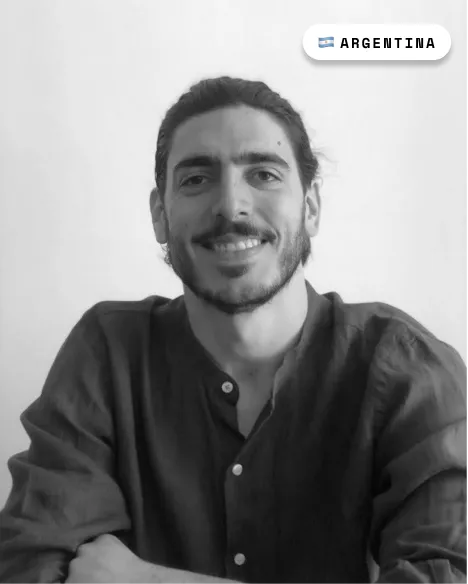
Jaime Buchuk
Jaime Andrés Vinasco Barco holds a PhD in Social Sciences with a specialization in Regional Studies from El Colegio de la Frontera Norte (COLEF), in Mexico. A Colombian researcher whose academic trajectory weaves together health, drugs, cultures and care — a triad that runs through all of his scientific output. He holds a Bachelor’s in Nursing from the Universidad de Antioquia (Medellín), a Master’s in Cultures and Drugs from the Universidad de Caldas (Manizales), and a Master II in Social and Human Sciences from the Université Paris-Est Créteil Val de Marne, in France. A professor in the Master’s program in Cultures and Drugs at the Universidad de Caldas, he also teaches at the Nursing faculty of the Universidad de Antioquia and the Psychology faculty of the Universidad Católica Luis Amigó, in Medellín, where he teaches courses on end of life and on drugs and mental health.
He is co-founder and director of Fundación Consciencia VIBA, a Colombian institution dedicated to promoting good living and good dying with the support of psychedelics. Among his most notable academic milestones are the publication of the article Psicodélicos y muerte digna in the journal Avances en Enfermería (2020) — one of the first academic works in Spanish to systematically articulate the use of psychedelics in palliative and end-of-life care — and the coining, co-authored with the Brazilian researcher Ana Cláudia Mesquita Garcia, of the neologism Palliadelic (Palliadelic), which names and conceptualizes the use of psychedelics in end-of-life and palliative care contexts. His scientific work articulates the symbolic, political and therapeutic dimensions of psychoactive substances, engaging with contemporary debates on regulation, identity, social representation and comprehensive patient care.
His work has been recognized in multiple institutional and geopolitical contexts, including appearances as a special guest at the United States Consulate in Tijuana, at Mercosur anthropology meetings in Uruguay, at Entheogen Congresses in Peru, at Mental Health and Palliative Care Congresses in Colombia, and at the Anti-Narcotics and Special Tasks Unit of Colombia’s Fiscalía General de la Nación.
Below is a selection of his main publications in the field:
Vinasco Barco, J. A., & Mesquita Garcia, A. C. (2025). Palliadelic: A neologism that refers to the use of psychedelics in hospice and palliative care settings. Progress in Palliative Care, 33(2), 57–65.
Vinasco Barco, J. A. (2020). Psicodélicos y muerte digna. Uso de sustancias psicodélicas al final de la vida. Avances en Enfermería, 38(3), 369–379.
Vinasco-Barco, J. A. (2020). The Tetrahydroevolution of Cannabis. A reference to production, refining and current presentation of Cannabis. Cultura y Droga, 25(30), 61–89.
Vinasco Barco, J. A., & Hernández, A. (2019). Entre legalidad e ilegalidad. Prácticas de consumo transfronterizo de cannabis en la frontera Tijuana–San Diego. Instituto Nacional de Antropología e Historia.
Vinasco Barco, J. A. (2016). La construcción social de la enfermedad: una crítica a la propuesta del cannabis medicinal en México desde las teorías de la identidad y las representaciones sociales. Cultura y Droga, 21(23), 74–90.
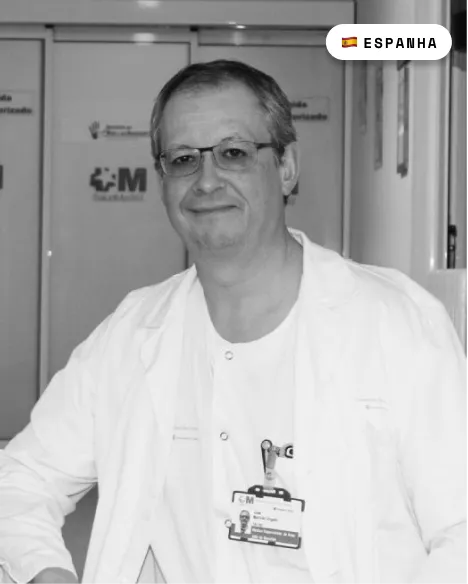
Jose Antonio Martínez-Orgado
José Martínez-Orgado is a physician trained at the Complutense University of Madrid (UCM, 1985), with a doctorate from the Autonomous University of Madrid (UAM, 1999). Since 2016, he has been head of the Neonatology Department at Hospital Universitario San Carlos, in Madrid, and coordinator of the Neurological Pathophysiology Research Group at the San Carlos Health Research Institute (IdISSC). He also leads the research group Cannabinoids for Neonatal Diseases.
An international reference in neonatal neuroprotection, his research has focused since 1993 on neurological pathology in the newborn and, since 2003, on the therapeutic potential of cannabinoids — especially cannabidiol (CBD). His experimental and translational work contributed directly to the clinical trial combining cannabidiol and hypothermia in the treatment of neonates with hypoxic-ischemic encephalopathy, paving the way for one of the most promising clinical applications of Endocannabinoid Medicine in pediatrics.
Dr. Martínez-Orgado has been a member of the Spanish Society for Cannabinoid Research since 2004, where he served on the board and as treasurer, and is a member of the International Cannabinoid Research Society. He has led more than 20 research projects, is co-inventor of two international patents and author of more than 95 scientific publications, with an h-index of 45 on Google Scholar and more than 9,500 citations.
Below is a selection of his main publications in the field:
Devinsky O, Cilio MR, Cross H, Fernández-Ruiz J, French J, Hill C, Katz R, Di Marzo V, Jutras-Aswad D, Notcutt WG, Martinez-Orgado J, Robson PJ, Rohrback BG, Thiele E, Whalley B, Friedman D. Cannabidiol: pharmacology and potential therapeutic role in epilepsy and other neuropsychiatric disorders. Epilepsia. 2014 Jun;55(6):791–802.
Fernández-Ruiz J, Moro MA, Martínez-Orgado J. Cannabinoids in neurodegenerative disorders and stroke/brain trauma: from preclinical models to clinical applications. Neurotherapeutics. 2015 Oct;12(4):793–806.
Pazos MR, Mohammed N, Lafuente H, Santos M, Martínez-Pinilla E, Moreno E, Valdizan E, Romero J, Pazos A, Franco R, Hillard CJ, Alvarez FJ, Martínez-Orgado J. Mechanisms of cannabidiol neuroprotection in hypoxic-ischemic newborn pigs: Role of 5HT1A and CB2 receptors. Neuropharmacology. 2013 Aug;71:282–291.
Castillo A, Tolón MR, Fernández-Ruiz J, Romero J, Martinez-Orgado J. The neuroprotective effect of cannabidiol in an in vitro model of newborn hypoxic-ischemic brain damage in mice is mediated by CB2 and adenosine receptors. Neurobiology of Disease. 2010 Feb;37(2):434–440.
Alvarez FJ, Lafuente H, Rey-Santano MC, Mielgo VE, Gastiasoro E, Rueda M, Pertwee RG, Castillo AI, Romero J, Martínez-Orgado J. Neuroprotective effects of the nonpsychoactive cannabinoid cannabidiol in hypoxic-ischemic newborn piglets. Pediatric Research. 2008 Dec;64(6):653–658.
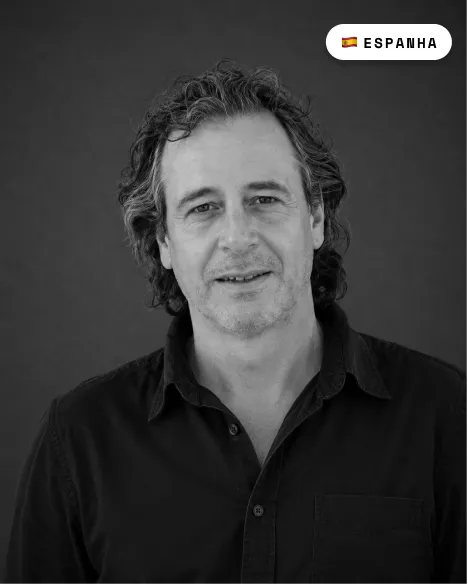
Jose Carlos Bouso
José Carlos Bouso is a Clinical Psychologist with a doctorate in Pharmacology. He built his scientific career at the Autonomous University of Madrid, the IIB-Sant Pau Biomedical Research Institute and the Hospital del Mar Medical Research Institute (IMIM), both in Barcelona. His research covers the therapeutic effects of MDMA (“ecstasy”), as well as psychopharmacological studies on the acute and long-term neuropsychiatric effects of various substances, both synthetic and plant-derived.
José Carlos is currently Scientific Director of ICEERS (International Center for Ethnobotanical Education, Research and Service), where he coordinates projects investigating the potential benefits of psychoactive plants, especially cannabis, ayahuasca and ibogaine, with the aim of promoting public health. He is also a founding member of the Spanish Observatory of Medicinal Cannabis (OEDCM), a member of the Medical Anthropology Research Center (MARC) at Universitat Rovira i Virgili, a visiting professor in the mental health program of the University of São Paulo Medical School in Ribeirão Preto, and vice-president of the Clinical Endocannabinology Society (SEC).
He is the author of the book Qué son las drogas de síntesis and co-author of the works ¿La marihuana como medicamento? Los usos médicos y terapéuticos del cannabis y los cannabinoides e Ayahuasca y salud. His research is widely published in international scientific journals, contributing significantly to the understanding of the therapeutic uses of psychedelics, entactogens and cannabis.
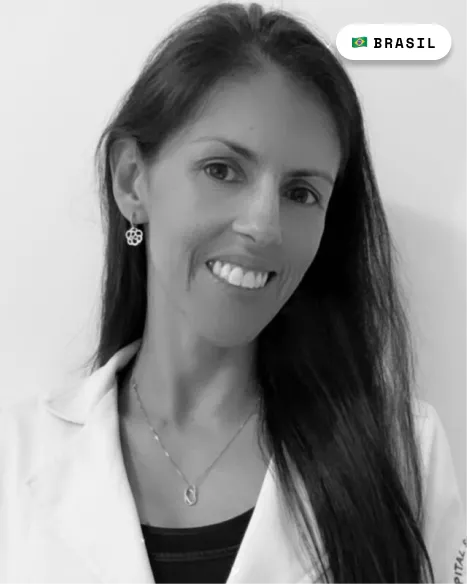
Juliana Gomes
Juliana Gomes is a psychiatrist trained at the Itajubá Medical School (MG) with a specialization in Psychiatry from the Federal University of Paraná. She holds the Specialist Title in Psychiatry awarded by the Brazilian Psychiatric Association (ABP), with additional certifications to practice in Child and Adolescent Psychiatry and Psychotherapy, also from the ABP. She is a child psychoanalyst trained at the Instituto Sedes Sapientiae, and works with a comprehensive approach to mental health, combining classic psychiatric knowledge with contemporary care practices.
Dr. Juliana is a WeCann Academy ambassador and serves as Scientific Director of the Movimento Médicos Atletas (Athlete Physicians Movement), an initiative that integrates mental health, performance and well-being. Dr. Juliana Gomes is committed to continuous academic development and is a graduate student in the Health Meditation Instructor Training program at Hospital Sírio-Libanês.
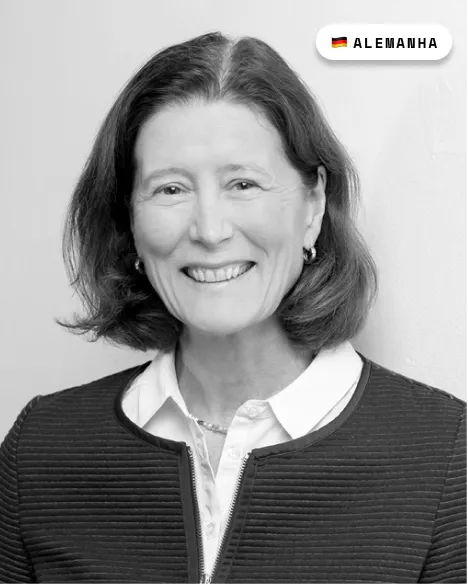
Kirsten Müller-Vahl
Kirsten Müller-Vahl is a specialist physician in adult Neurology and Psychiatry and a professor of Psychiatry in the Department of Psychiatry, Social Psychiatry and Psychotherapy at Hannover Medical School (MHH), Germany. Since 1995, she has been head of the outpatient department for Tourette syndrome at Hannover Medical School.
Dr. Kirsten chairs the German Association for Cannabinoid Medicines (ACM) and is a board member of the International Association for Cannabinoid Medicines (IACM). At the 9th IACM Conference, she received the “IACM 2017 Clinical Research Award for special achievements in the reintroduction of cannabis and cannabinoids as medicine”.
Dr. Kirsten Müller-Vahl has published more than 220 scientific articles and is the author of several book chapters. She is an associate editor of the journal Cannabis and Cannabinoid Research and a member of the editorial board of the journal Medical Cannabis and Cannabinoids.
Below is a selection of her main publications in the field:
Müller-Vahl, K. R., Schneider, U., Koblenz, A., Jöbges, M., Kolbe, H., Daldrup, T., & Emrich, H. M. (2002). Treatment of Tourette’s syndrome with Δ9-tetrahydrocannabinol (THC): a randomized crossover trial. Pharmacopsychiatry, 35(02), 57-61.
Muller-Vahl, K. R., Schneider, U., Prevedel, H., Theloe, K., Kolbe, H., Daldrup, T., & Emrich, H. M. (2003). D9-Tetrahydrocannabinol (THC) is Effective in the Treatment of Tics in Tourette Syndrome: A 6-Week Randomized Trial. Journal of Clinical Psychiatry, 64(4), 459-465.
Müller-Vahl, K. R., & Emrich, H. M. (2008). Cannabis and schizophrenia: towards a cannabinoid hypothesis of schizophrenia. Expert Review of Neurotherapeutics, 8(7), 1037-1048.
Grotenhermen, F., & Müller-Vahl, K. (2012). The therapeutic potential of cannabis and cannabinoids. Deutsches Ärzteblatt International, 109(29-30), 495.
Pringsheim, T., Okun, M. S., Müller-Vahl, K., Martino, D., Jankovic, J., Cavanna, A. E., … & Piacentini, J. (2019). Practice guideline recommendations summary: treatment of tics in people with Tourette syndrome and chronic tic disorders. Neurology, 92(19), 896-906.
Kirsten R Müller-Vahl and others, Stop that! It’s not Tourette’s but a new type of mass sociogenic illness (2022). Brain, 145 (2), 476–480,
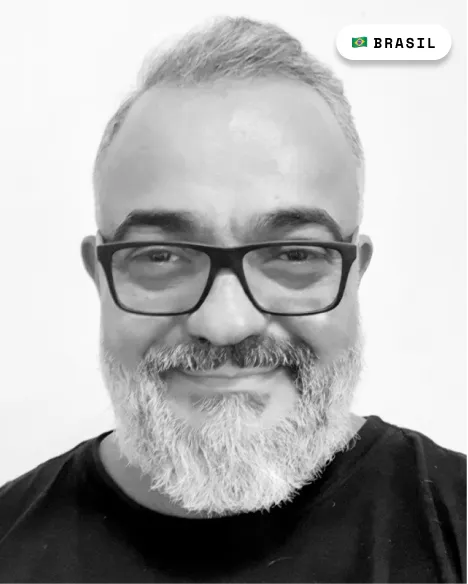
Leandro Ramires
Leandro Ramires is an oncologic surgeon and breast specialist (mastologist). He holds a Master’s in Women’s Health and breast cancer from the UFMG Medical School, and is the former coordinator and current Preceptor Physician of the Medical Residency in the Breast Surgery Unit of the UFMG Hospital das Clínicas.
A prescriber of cannabis for medicinal purposes since April 2014, he has extensive experience in the adjuvant treatment of patients with epilepsy, autism, chronic pain, Alzheimer’s, Parkinson’s, autoimmune diseases, cancer and in palliative care. He cultivates cannabis for medicinal purposes under a court-granted authorization (Salvo Conduto) for his son Benício, who has Dravet Syndrome and severe Autism.
Dr. Leandro is currently the Scientific Medical Director of the Brazilian Association of Medical Cannabis Patients (AMA+ME) and a clinical researcher.
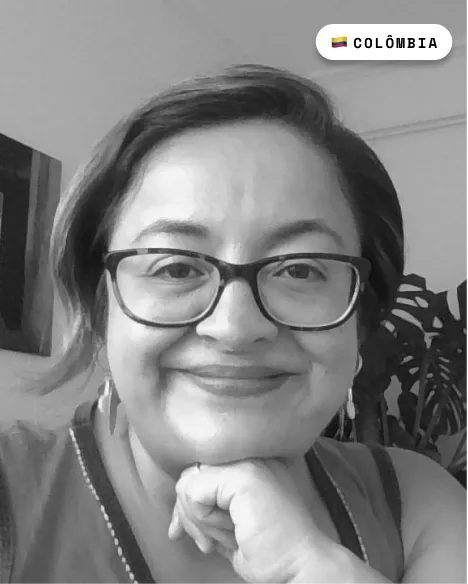
Mery Peña
Mery Peña is a Colombian physician who graduated from the National University of Colombia. Over the past 13 years, she has developed her clinical practice in Barcelona. She was part of the clinical team at Kalapa Clinic, a pioneering platform in Europe for the medical monitoring and counseling of patients using cannabinoids as medicine.
Mery is the current secretary of the Clinical Endocannabinology Society in Spain. She teaches in specialization courses on medical cannabis approved by the Polytechnic University of Catalonia and the University of Barcelona.
She is currently a member of the medical team at Clínica Synaptica, the first ketamine-assisted therapy clinic in Barcelona. She is part of the clinical team at ABD, an NGO that provides care and follow-up for substance dependence in coordination with the Barcelona Public Health Agency.
She is committed to the vision of a possible future in which animal species — including the human mammal — and botanical and fungal allies relate to one another within healthy, salutogenic ecosystems.

Natasha Consul
Natasha Consul is a neurologist and holds the specialist title from the Brazilian Academy of Neurology. She is a specialist in Movement Disorders from Unifesp-EPM and has training in the therapeutic application of botulinum toxin from Unifesp-EPM and HC-USP. Natasha is also certified by the Brazilian Academy of Integrative Functional Medicine.
Dr. Natasha serves as a preceptor in the Medicine program at PUC-SP and has prescribed cannabinoid derivatives since 2018, following more than 600 patients. She is a speaker and mentor in the field of phytocannabinoids, having taught more than 100 classes over the past three years.
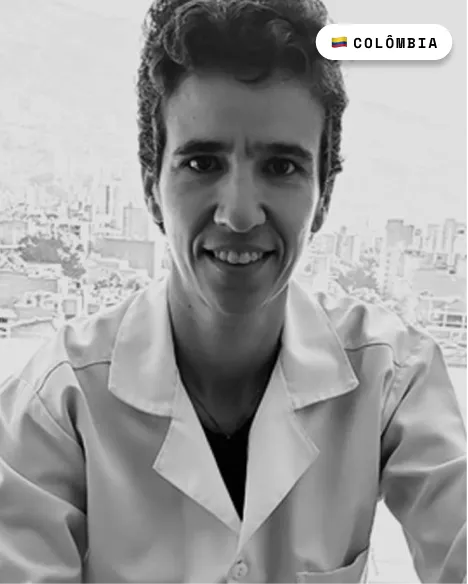
Paola Pineda
Paola Pineda is a physician specializing in Medical Law from the Pontifical Bolivarian University and holds a Master’s in HIV from the Rey Juan Carlos University. Dr. Paola has used cannabis as a therapeutic tool for ten years and has helped more than 5,000 patients. Dr. Paola Pineda is a founding member of the Curativa group, in Colombia, where she researches the Cannabis plant, its therapeutic potential and possible synergies with other substances.
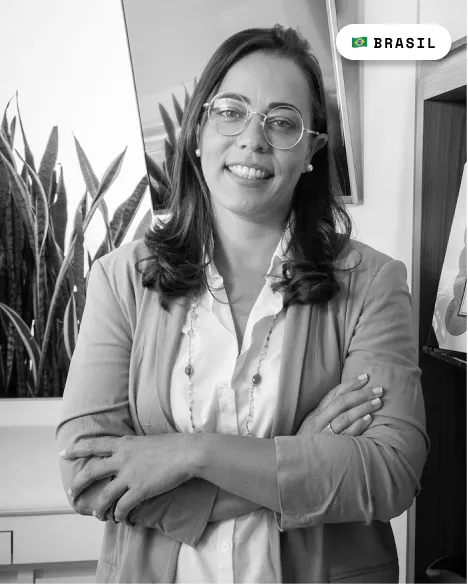
Patrícia Montagner
Patrícia Montagner is a neurosurgeon with the specialist title from the Brazilian Society of Neurosurgery. She is certified by the World Institute of Pain (WIP) in minimally invasive procedures for pain treatment (FIPP – Fellow of Interventional Pain Practice) and a specialist in Health Administration from Fundação Getúlio Vargas, São Paulo.
Dr. Patrícia is currently technical director of the NeuroVinci Clinic, located in the Greater Florianópolis region. She is co-founder of WeCann Academy, a global community dedicated to the study of Endocannabinoid Medicine that connects experts from various parts of the world to unite scientific evidence and practical experience.
She is co-author of the Endocannabinoid Medicine Treatise, in partnership with Dr. Adán de Salas Quiroga — a work that systematizes the current state of the science on the endocannabinoid system and its therapeutic applications, and which has become a fundamental training reference for physicians and other healthcare professionals.
Dr. Patrícia is also the creator and host of the WeCann Summit, the world’s largest medical congress dedicated to Endocannabinoid Medicine.
Below is a selection of her main publications in the field:
Montagner PSS, Medeiros W, da Silva LCR, Borges CN, Brasil-Neto J, de Deus Silva Barbosa V, Caixeta FV, Malcher-Lopes R. Individually tailored dosage regimen of full-spectrum Cannabis extracts for autistic core and comorbid symptoms: a real-life report of multi-symptomatic benefits. Front Psychiatry. 2023 Aug 21;14:1210155. doi: 10.3389/fpsyt.2023.1210155. PMID: 37671290; PMCID: PMC10475955.
Montagner P, de Salas Quiroga A, Ferreira AS, Duarte da Luz BM, Ruppelt BM, Schlechta Portella CF, Abdala CVM, Tabach R, Ghelman R, Blesching U, Perfeito JPS, Schveitzer MC. Charting the therapeutic landscape: a comprehensive evidence map on medical cannabis for health outcomes. Front Pharmacol. 2024 Nov 26;15:1494492. doi: 10.3389/fphar.2024.1494492. PMID: 39660005; PMCID: PMC11628280.
Gallassi AD, de Oliveira AWC, Mendes NS, Filev R, Nakano EY. Evaluation of cannabidiol-based products in Brazil: how can current regulations influence their labeling quality? J Cannabis Res. 2025 Feb 22;7(1):12. doi: 10.1186/s42238-025-00270-2. PMID: 39987154; PMCID: PMC11846405.
Soares Silva PM, Medeiros W, Nogueira Borges C, Brasil-Neto JP, Lessa Jr. W, Ferreira de Oliveira e Silva R, Caixeta FV, Malcher-Lopes R. Full-spectrum cannabis extracts for women with chronic pain syndromes: a real-life retrospective report of multi-symptomatic benefits after treatment with individually tailored dosage schemes. Front Pharmacol. 2025;16:1538518. doi: 10.3389/fphar.2025.1538518.
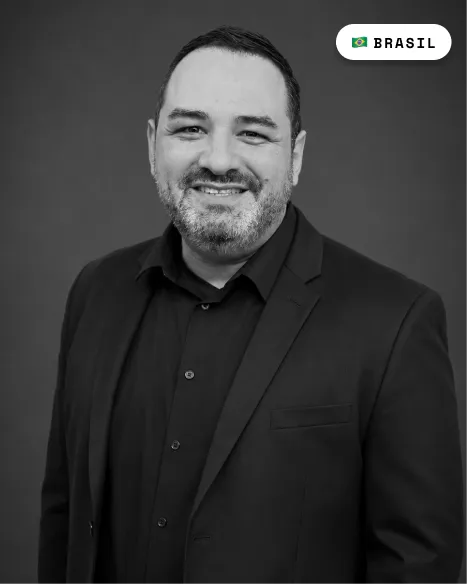
Ricardo Ferreira
Ricardo Ferreira is a physician specializing in Orthopedics and Traumatology from the Federal University of Rio de Janeiro. Dr. Ricardo has earned more than ten credentials in his field throughout his career, including specialist in Orthopedics and Traumatology accredited by the MEC, by SBOT (Brazilian Society of Orthopedics and Traumatology) and AMB (Brazilian Medical Association). He is a full member of the Brazilian Society of Orthopedics and Traumatology and of the Brazilian Society of Spine Surgery; a member of the North American Spine Society (NASS), a Spine specialist and a member of AO Spine International. He also has a specialization in pain from the Brazilian Society for the Study of Pain and an MBA in Health Management from COPPEAD.
Dr. Ricardo Ferreira is one of the pioneering physicians in the application of Endocannabinoid Medicine in Brazil.
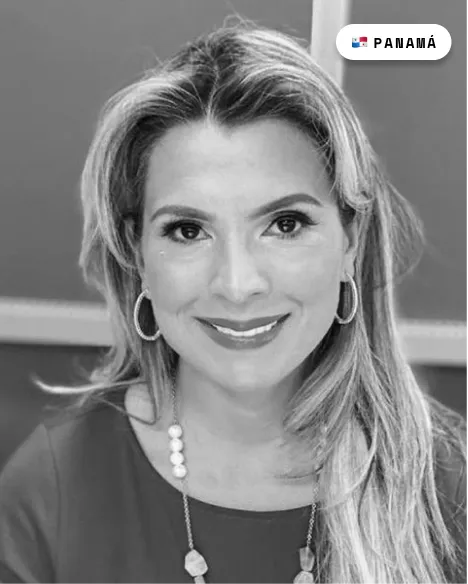
Sandra Carrillo
Sandra Carrillo, MD, is a globally recognized physician specializing in medical cannabis, with extensive experience as a clinician, educator and public-policy consultant. Based in Medellín, Dr. Carrillo is co-founder and medical director of Medicann IPS Medical Cannabis Clinics and serves as president of the Colombian Medical Cannabis Association.
She is an influential international speaker, a member of scientific boards and a university professor, dedicated to advancing cannabinoid medicine through evidence-based education, research and advocacy. Dr. Carrillo actively collaborates with major organizations and scientific journals around the world, contributing to the development of medical cannabis policies and clinical practices with the aim of improving patient care and health outcomes.
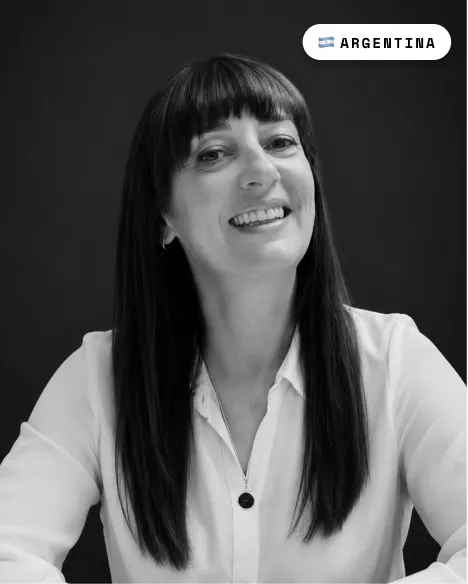
Silvina Vulcano
Dr. Silvina Vulcano is a gynecologist in Buenos Aires, with experience in sexual health, sexually transmitted infections (STIs), vaginal dysbiosis, long-acting contraception and the early detection of HPV and cervical cancer. She also works with medical cannabis applied to gynecology, including guidance for pregnant and breastfeeding women.
Trained in Medicine at the University of Buenos Aires (UBA), she completed her residency in Obstetrics and Gynecology at the Hospital General de Agudos Dr. Cosme Argerich and holds recertification in Gynecology from the Argentine Medical Association (AMA). She also completed a master’s degree in Epidemiology, Management and Health Policy at the Universidad Nacional de Lanús (UNLA).
In addition to clinical practice, she teaches at the graduate level, has participated in national and international congresses and has contributed to scientific papers, books and medical guidelines. She served as a consultant to Argentina’s Ministry of Health on PAHO/WHO projects.
She currently works as a gynecologist in the Coordination of Sexual Health, AIDS and STIs of the Ministry of Health of the Autonomous City of Buenos Aires, in addition to seeing patients in private practice.
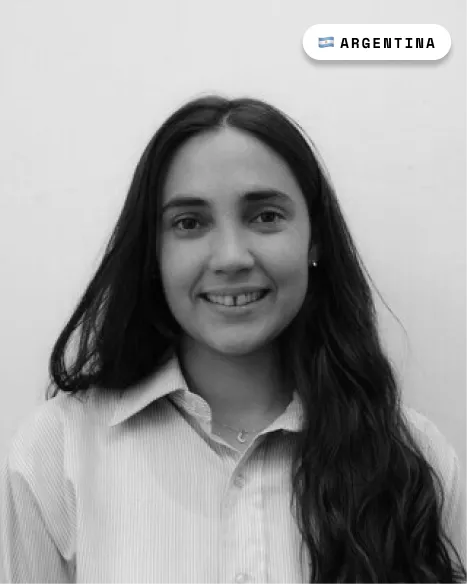
Sofia Maiorana
Sofía Maiorana is a physician who graduated from the National University of Rosario, Argentina. She has experience in geriatrics and phytotherapy and has worked in hospitals and clinics across several Argentine provinces.
Dr. Sofía stands out for her work in the medicinal use of cannabis, having founded the Association of Patients and Professionals of the Cannabis Approach and directed courses and diploma programs on the subject. She has taken part in award-winning research and projects and has taught at several universities. Her teaching experience includes directing and coordinating graduate courses and diploma programs in the field of medical cannabis.
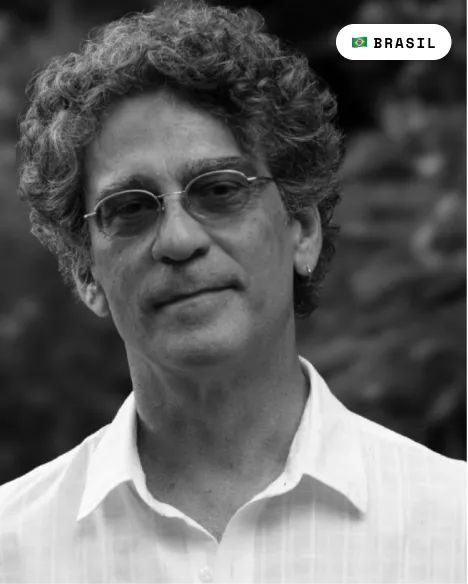
Tércio Sousa
Tércio Sousa is a general practitioner who graduated in 1997 from the Faculdade Técnico Educacional Souza Marques, Rio de Janeiro, and today divides his time between clinical care and the study and education of the Endocannabinoid System. Dr. Tércio was part of the second cohort of WeCann Academy’s International Certification (2021), where he serves as Medical Coordinator.
Physicians and scientists from 13 countries. All 100% in-person in Campinas. More names to be announced in the coming weeks.
WeCann Academy 2026 © All rights reserved
CNPJ: 39.405.784/0001-73